
Why Train Advertising Is Effective for Reaching Bangalore’s Daily Travellers
If you’ve ever taken a local train in Bangalore, you already know how predictable the routine is. Platforms fill up early, familiar faces appear every morning, and people move with quiet focus toward work, college, or daily responsibilities. For many, this isn’t an occasional journey it’s a fixed part of life.
That consistency is exactly what makes train advertising in Bangalore quietly effective. When people see the same message during the same journey every day, it starts feeling familiar without asking for attention.
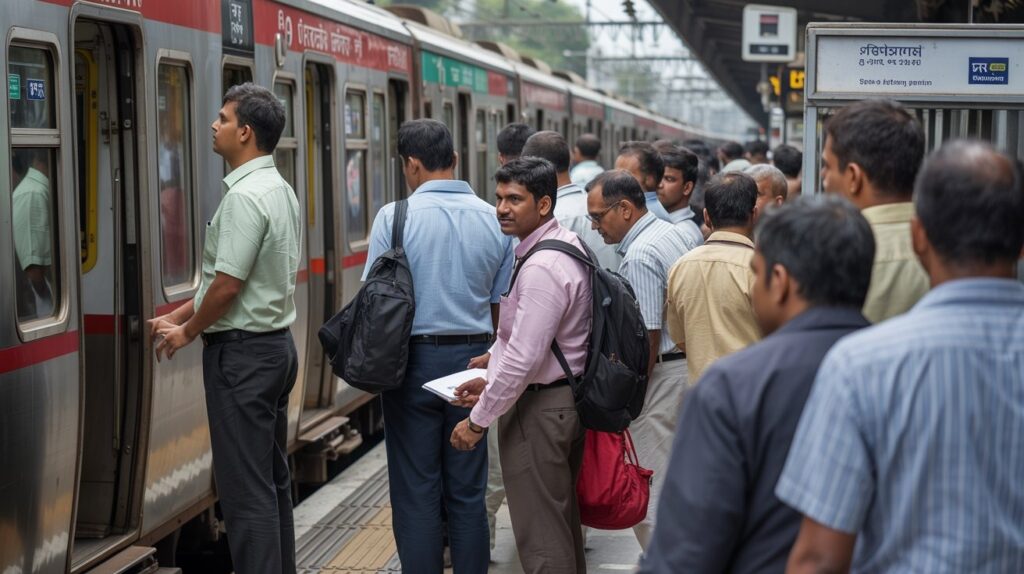
Everyday Travel Creates Natural Visibility
Most train travellers don’t change their habits often. They use the same station, board the same train, and travel at the same time.
When a brand appears in these spaces regularly — on platforms, inside coaches, or near station exits — it doesn’t interrupt anyone. People notice it simply because it’s there, again and again. Over time, that presence becomes part of the commute itself.
This kind of exposure builds recognition without pressure, which is why train advertising in bangalore works so well for daily commuters.
Waiting Moments Work Better Than Moving Ones
Train travel isn’t rushed all the time. There’s waiting at platforms, standing near doors, sitting inside coaches, and slowing down near stations.
During these moments, people naturally look around. Not because they’re searching for ads, but because there’s time. Colours, names, and simple visuals stay in sight longer than they would on a fast-moving road.
This is where train advertising in bangalore gains real value — not through speed, but through stillness.
A Consistent Audience Sees the Message Repeatedly
Daily train travellers are usually working professionals, students, and regular city commuters. It’s a steady audience that repeats day after day.
Morning travellers see a message on the way to work. The same people see it again in the evening while heading back. Over days and weeks, the brand starts feeling known, even if people don’t remember when they first noticed it.
That sense of familiarity is difficult to build through formats that constantly change location, which is why train advertising in bangalore remains effective for long-term visibility.
Why Train Ads Don’t Feel Annoying
rain ads don’t interrupt screens or demand clicks. They don’t flash or make noise.
They exist quietly in the background while people wait, sit, or stand. Because of this, commuters rarely feel disturbed by them. The message blends into the environment instead of competing for attention.
Placement Matters More Than Design
Not every spot inside a station delivers the same impact. Areas where people naturally pause tend to work better — platforms, coach interiors, footbridges, and entry or exit points.
When ads are placed where people already spend time, visibility improves without needing complicated messaging.
Frequently Asked Questions
Daily travellers follow fixed routines and spend time waiting on platforms and inside coaches. This creates repeated exposure, helping brands stay visible without interrupting the commute.
It works best for awareness and recall. Repeated visibility influences decisions over time rather than pushing immediate action.
Platforms, inside coaches, footbridges, and station entry or exit areas tend to get higher attention because commuters naturally pause in these spaces.
Campaigns should run for several weeks so travellers see the same brand multiple times, which helps build familiarity and recognition.
Yes. Local services, education providers, retail brands, and healthcare services often benefit because they reach the same audience repeatedly during daily travel.
Conclusion
Most daily travellers won’t recall a specific ad they saw on a train. What they remember is the brand feeling familiar later during a conversation, a search, or another ad encounter.
In a city where trains shape everyday movement, visibility doesn’t come from shouting louder. It comes from showing up consistently, and that’s exactly how train advertising reaches Bangalore’s daily travellers.
👉 Also Check Out Our Related Blogs
📍 Ghaziabad
http://1️⃣ https://adblinkmedia.com/bus-advertising-ghaziabad/ 2️⃣ https://adblinkmedia.com/cab-branding-in-ghaziabad/ 3️⃣ https://adblinkmedia.com/top-hoarding-locations-in-ghaziabad/ 4️⃣ https://adblinkmedia.com/mobile-van-advertising-ghaziabad/
📍 Noida
http://5️⃣ https://adblinkmedia.com/why-bus-branding-in-noida/ http://6️⃣ https://adblinkmedia.com/bus-branding-outdoor-advertising-noida/
📍 Lucknowhttp://7️⃣ https://adblinkmedia.com/bus-branding-boost-business-lucknow/ https://adblinkmedia.com/top-hoardings-outdoor-advertising-lucknow/
Bus Advertising in Lucknow: A Simple Way for Brands to Stay Visible – adblinkmedia.com
BLOG
https://adblinkmedia.com/cab-advertising-bangalore-tech-office-corridors/
https://adblinkmedia.com/auto-rickshaw-advertising-mumbai-everyday-life/
https://adblinkmedia.com/mumbai-bus-advertising-impact/
https://adblinkmedia.com/bus-advertising-chennai-everyday-commute/