
Cinema Advertising vs Bus Advertising in Bangalore: Which Delivers Better Audience Attention?
If you speak to brands running offline campaigns in Bangalore, this comparison comes up very often. Some swear by cinema screens, others trust moving buses. Both formats put brands in front of people outside their homes, but the way attention is created is very different.
The difference isn’t really about which one is stronger. It’s about how people notice them and when that attention actually matters.
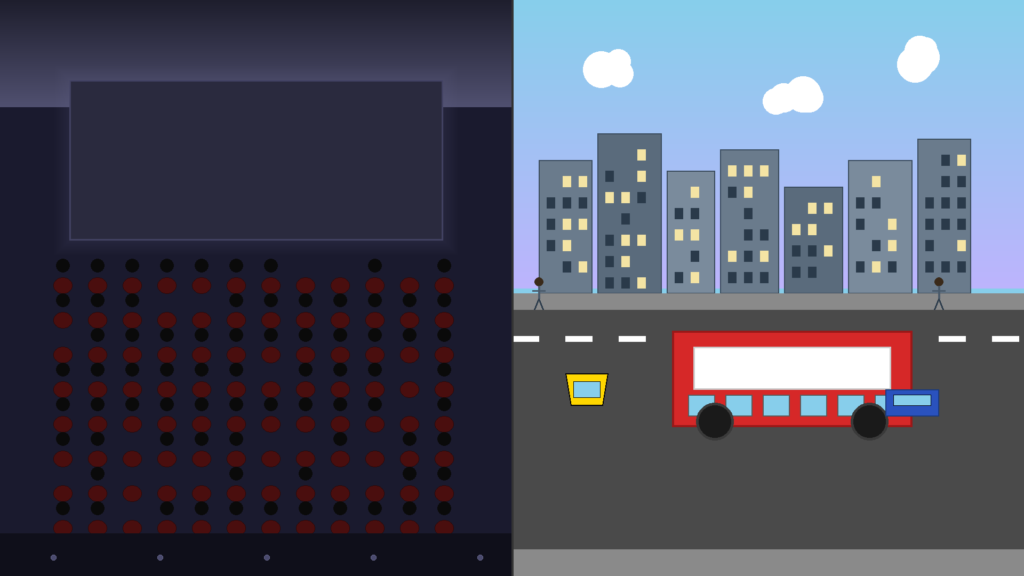
What Happens Inside a Cinema Hall
A cinema hall is a controlled space. People are seated, lights are dimmed, and there’s very little else competing for attention. Ads play when viewers are already looking at the screen and waiting for the movie to begin.
This is where cinema advertising in Bangalore creates a strong impact. The screen is large, the sound is clear, and viewers usually watch the entire ad without skipping it. Even if they’re not fully interested, they still register the brand.
For launches or storytelling-driven campaigns, this focused attention can be very effective.
How Bus Advertising Feels on the Road
Bus advertising works in a completely different setting. Roads are busy, people are walking, waiting at signals, or stuck in traffic. Attention is scattered.
But buses are everywhere. Markets, office corridors, residential streets, junctions. People may only glance at them for a few seconds, but they keep seeing the same message again and again. That repetition slowly builds brand visibility without demanding attention.
This is why bus advertising is often treated as a long-term outdoor advertising option rather than a quick-impact format
Attention vs Familiarity
Cinema ads usually win when it comes to uninterrupted attention. People watch the entire ad in one stretch. That’s why cinema advertising in bangalore works well for emotional messaging and brand introductions.
Bus ads work differently. They don’t aim for focus in a single moment. Instead, they rely on familiarity. Daily commuters may notice the same brand multiple times a week. Even short glances add up over time.
Both formats deliver audience attention — just through very different routes.
The Audience Mindset Is Different
People entering a cinema are relaxed. They’re open to visuals, sound, and storytelling. Ads feel like part of the experience rather than an interruption.
On the road, people are thinking about work, traffic, or where they’re heading next. In this space, simple visuals and clear brand names work better than detailed messages. Over time, this repeated exposure still builds recall, just in a quieter way.
This is why cinema advertising in bangalore and bus campaigns shouldn’t be judged using the same expectations.
Frequently Asked Questions
Both formats help with recall, but in different ways. Cinema ads create strong, focused moments, while bus ads rely on repeated exposure over time.
Cinema advertising often works better for launches because audiences are seated, attentive, and more open to storytelling during the ad break.
Yes. Even short glances matter. Seeing the same message repeatedly during daily travel helps build familiarity without requiring full attention.
Yes. Local businesses often benefit from bus advertising due to neighbourhood coverage, while cinema ads can work well for promotions tied to specific areas or audiences.
Many brands do. One format creates immediate impact, while the other helps maintain visibility after that initial exposure.
Conclusion
The real difference usually comes down to scale and time. Bus ads tend to stay out there longer, moving through different parts of the city every day. They don’t push people to react immediately, but they keep the brand visible in the background of daily life.
That’s why many brands don’t treat this as an either–or choice. One format creates a strong moment, while the other keeps the brand present after that moment has passed. It depends less on the medium and more on what the brand is trying to achieve at that point.
So when people ask which one works better, there isn’t a fixed answer. It really comes down to what kind of attention the brand is looking for — instant focus or familiar presence over time.
👉 Also Check Out Our Related Blogs
📍 Ghaziabad
http://1️⃣ https://adblinkmedia.com/bus-advertising-ghaziabad/ 2️⃣ https://adblinkmedia.com/cab-branding-in-ghaziabad/ 3️⃣ https://adblinkmedia.com/top-hoarding-locations-in-ghaziabad/ 4️⃣ https://adblinkmedia.com/mobile-van-advertising-ghaziabad/
📍 Noida
http://5️⃣ https://adblinkmedia.com/why-bus-branding-in-noida/ http://6️⃣ https://adblinkmedia.com/bus-branding-outdoor-advertising-noida/
📍 Lucknowhttp://7️⃣ https://adblinkmedia.com/bus-branding-boost-business-lucknow/ https://adblinkmedia.com/top-hoardings-outdoor-advertising-lucknow/
Bus Advertising in Lucknow: A Simple Way for Brands to Stay Visible – adblinkmedia.com
BLOG
https://adblinkmedia.com/cab-advertising-bangalore-tech-office-corridors/
https://adblinkmedia.com/auto-rickshaw-advertising-mumbai-everyday-life/
https://adblinkmedia.com/mumbai-bus-advertising-impact/
https://adblinkmedia.com/bus-advertising-chennai-everyday-commute/
https://adblinkmedia.com/train-advertising-bangalore-daily-travellers/
https://adblinkmedia.com/bus-advertising-bangalore-daily-commuters/
https://adblinkmedia.com/auto-rickshaw-advertising-bangalore-local-areas/